HomeBackground

Background

Our story

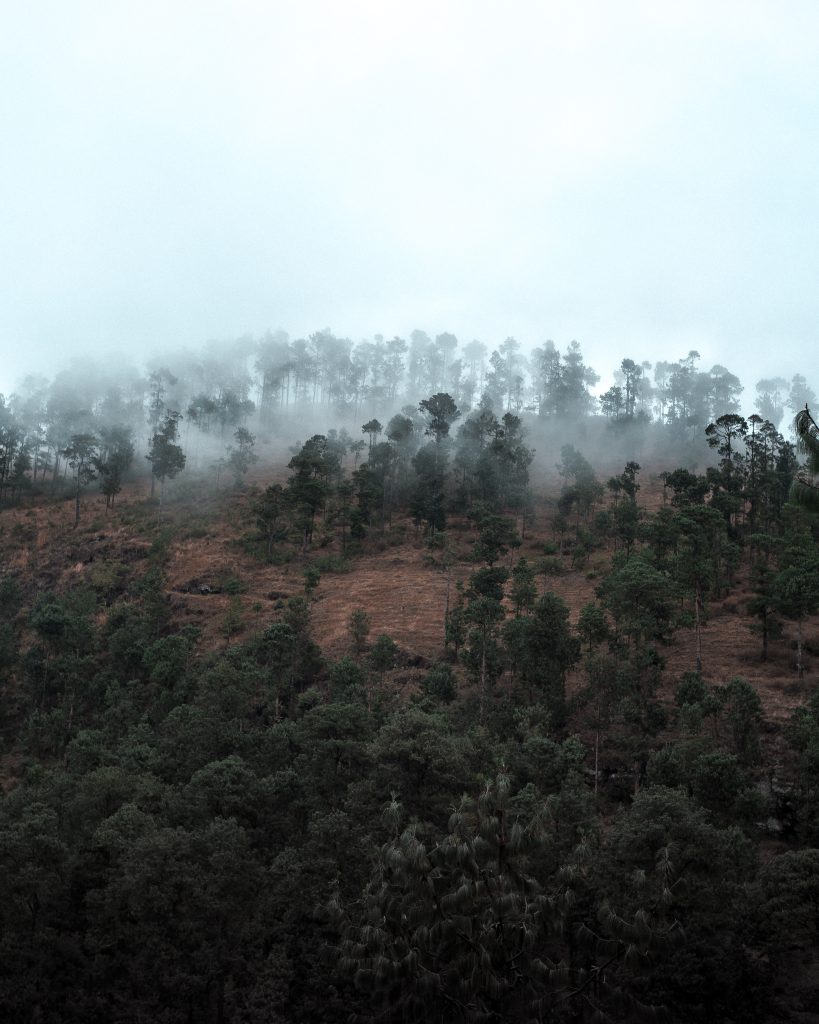
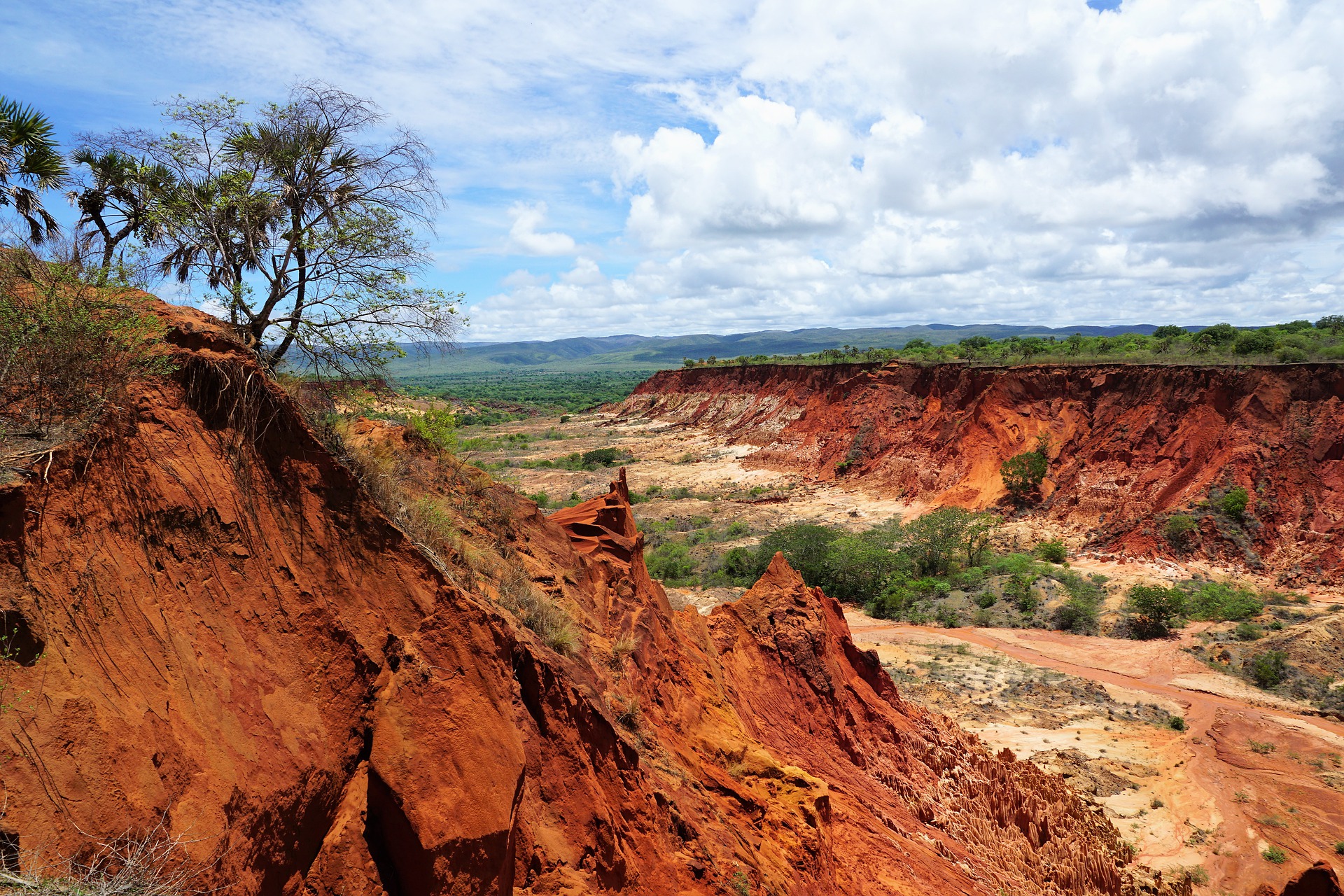
In February 2000, Simon Rietveld returned to western Madagascar, the land he knew from his childhood. He was shocked that the dense forests from his youth were gone. When his Malagasy wife Jocelyne came a few weeks later, Simon said something like: “We’ve got to do something. If we remain passive now, all the animals depending on this forest will become extinct.”

Simon was beginning to become blind, but nonetheless, he and Jocelyne decided to restore the lost forest. They purchased 60 hectares of repeatedly burned, barren land with thorny scrubs and isolated baobabs. They named it Zazamalala, meaning lovely child. And they started planting trees.

By that time, many local people were still afraid of white Europeans. But at night, they entered the newly planted forest to cut down trees and hunt for bushmeat, which was their tradition. With a handful of guards Simon and Jocelyne defended the heron chicks, the lemurs and the wild pigs. Several battles with villagers armed with spears and axes resulted in wounded people, a killed Zazamalala guard and villagers ending up in prison. However, times were changing and the local people began to appreciate the forest as a relic from their ancestors, worthwhile protecting.

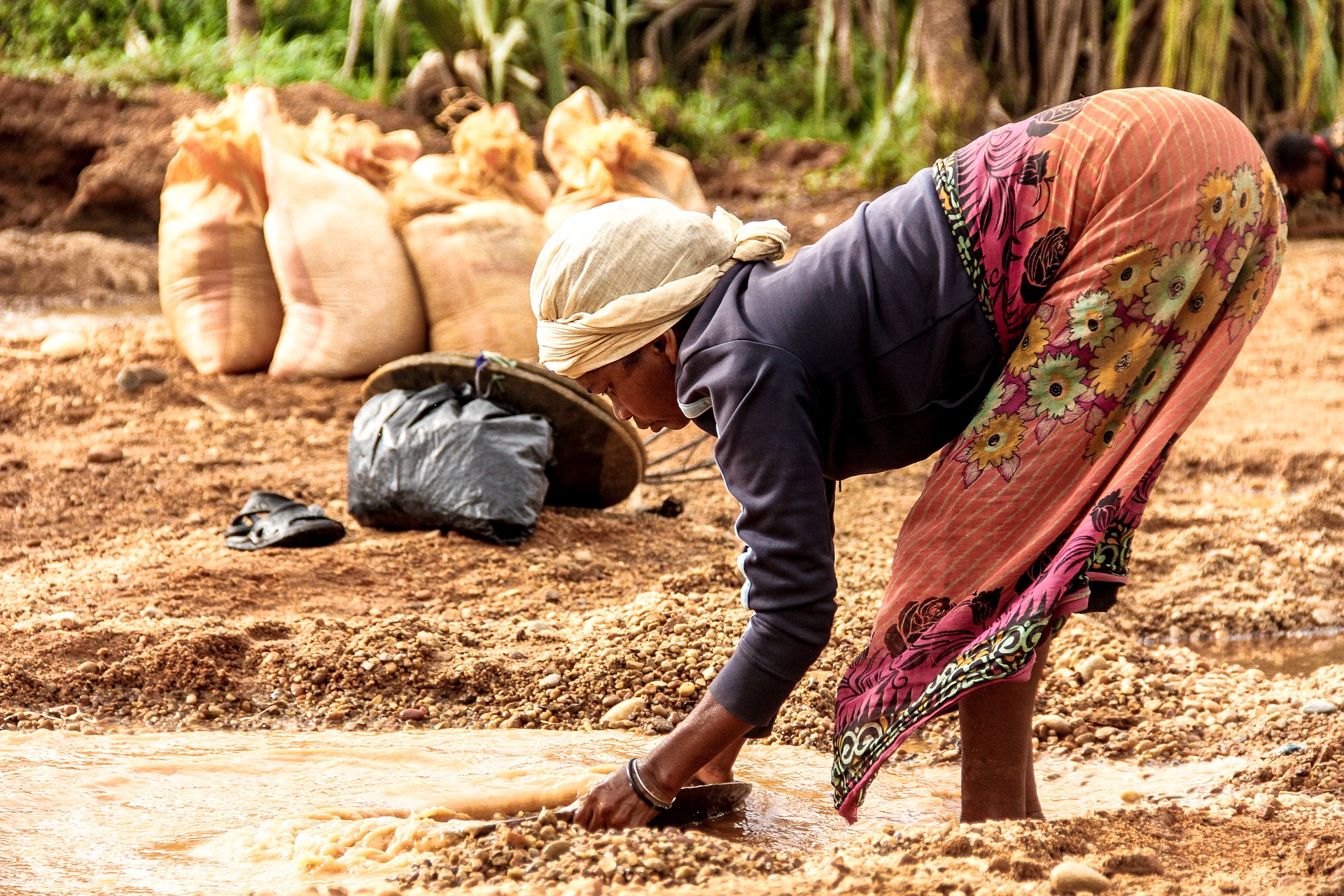
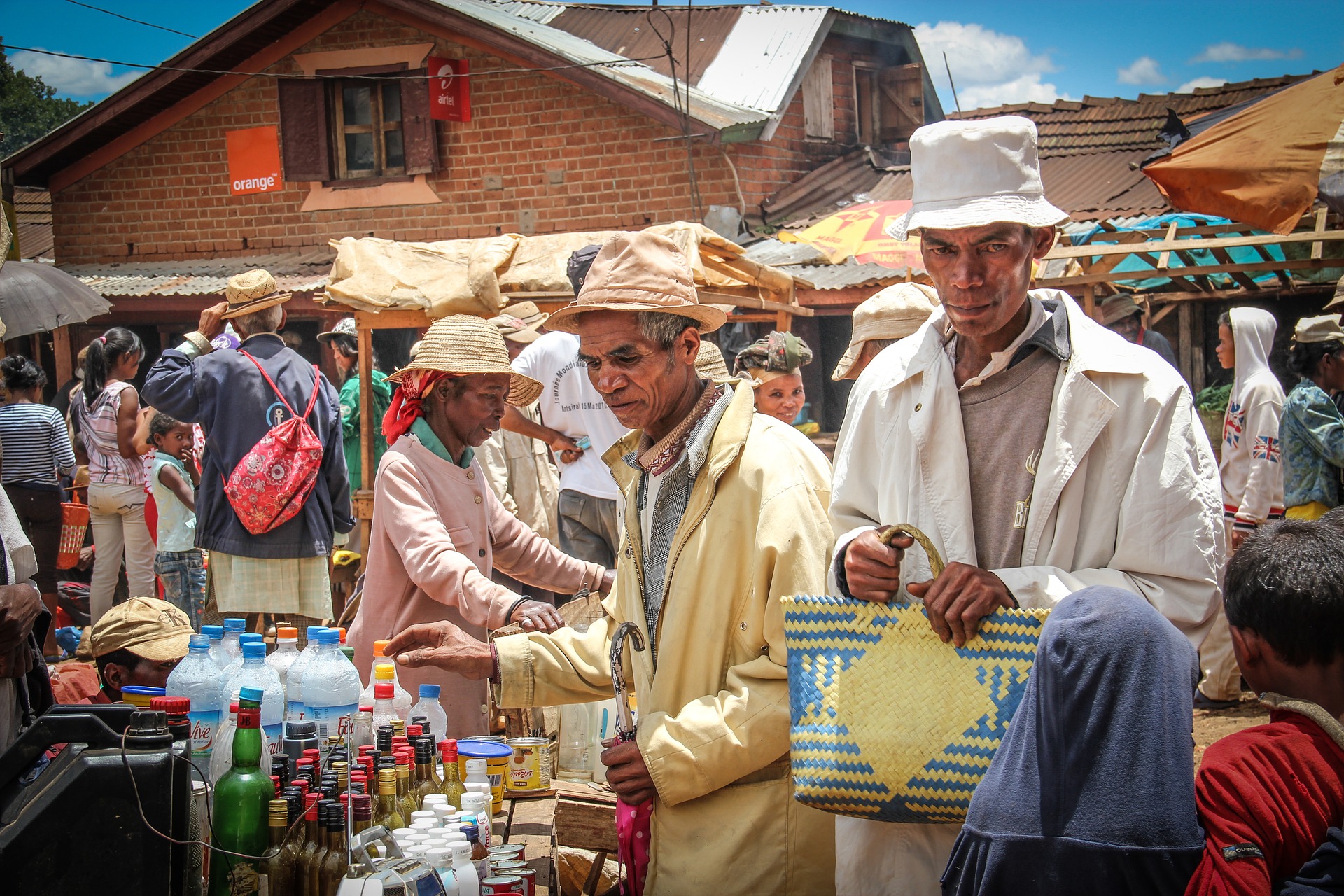
In the meantime, gradually, the area changed into forest and many animals returned. Simon and Jocelyne continued buying land and by planting endemic trees in at least a 100 different species per hectare, restored the original wilderness. This made Zazamalala unique in the world. Whereas other nature reserves consisted of interesting nature to begin with, Zazamalala was created from scratch. Simon and Jocelyne learned that managing a nature reserve requires support of the local people. Many villagers received paid work at Zazamalala, making their families economically independent. The Sakalava living in rural western Madagascar are among the poorest people in the world and Zazamalala provided social and developmental aid. It still includes education (helping schools and paying the salary of teachers); distribution of solar cookers to make families independent of charcoal and fuelwood; construction of latrines and water pumps; medical aid.

The Zazamalala forest developed into a beautiful habitat for numerous endangered animals. In fact, Zazamalala comprises a very small ecosystem with ponds in between forest. This habitat favours biodiversity, combining species used to a long dry season and those preferring wetlands. From all over the world visitors come to experience the Zazamalala flora and fauna, more than 3000 in 2025. The Zazamalala botanical garden includes a unique collection of plants from the spiny forest of southern Madagascar, as well as palms and flowering shrubs. It is also a tortoise and turtle breeding centre with critically endangered species.

Our forest and botanical gardens

Zazamalala is a private nature reserve in western Madagascar. It is located along the National Route 35 between the capital Antananarivo and the beach at the city of Morondava. Zazamalala Is easily accessible all-year round.

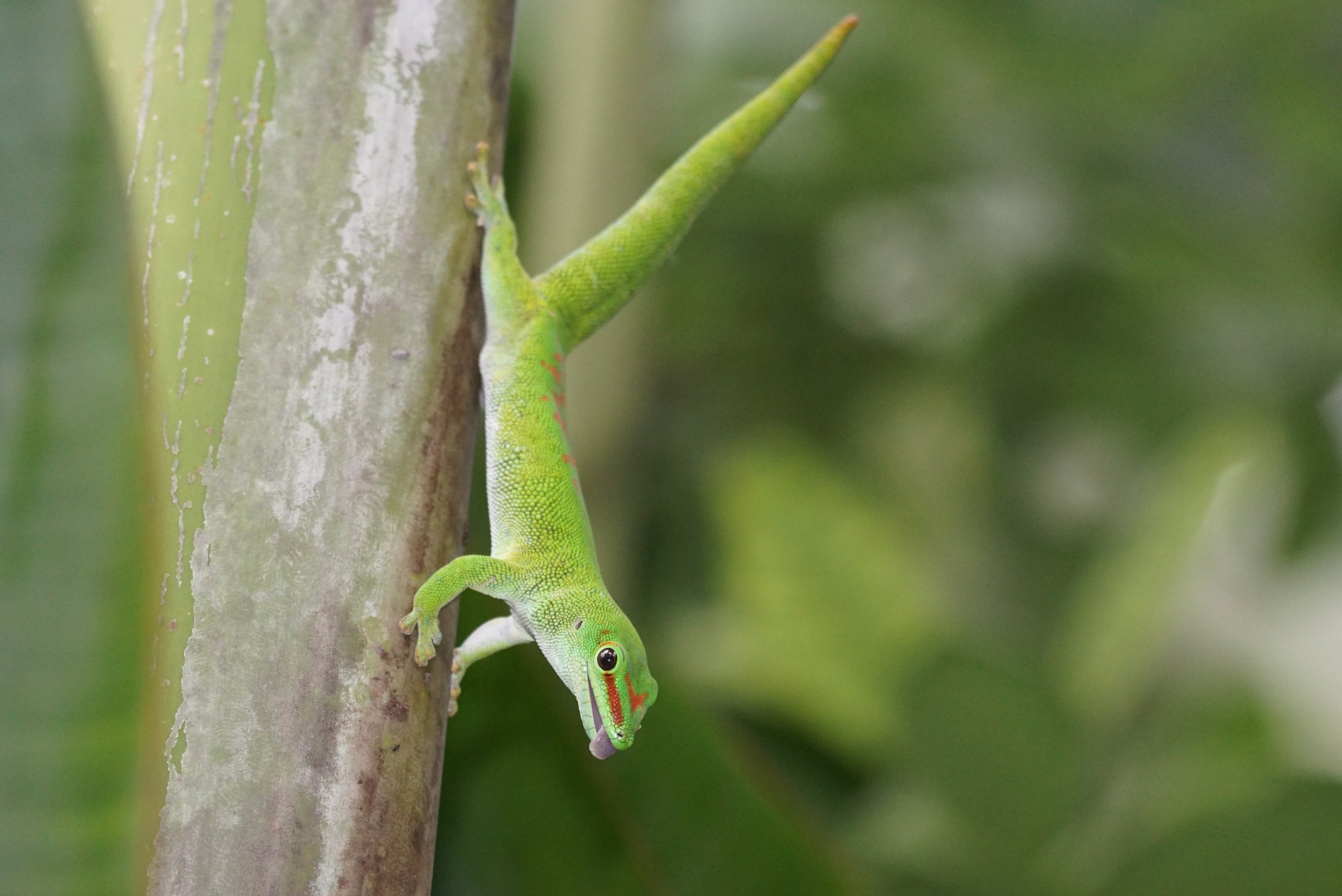
Zazamalala is particularly known for its lemurs, chameleons and breeding birds. There are 11 species of lemurs at Zazamalala, well protected and comfortable, probably as curious about you as you may be about them.

Our vision

At Zazamalala we aim to conserve and expand the original western Malagasy forest with its endemic flora and fauna and with the surrounding community living in harmony with it.

Our achievements

Thanks to many donors, the Zazamalala forest could be expanded to 450 hectares in 2026. Zazamalala is an ever increasing green island and you can see for yourself at Google Maps.

In 2026, a total of 200 critically endangered newborn Big-headed turtles and Flat-tailed tortoises could be released in the forest and its ponds. Thousands of endangered and critically endangered trees were grown from seed and some are already bearing seeds themselves. Over the years, thousands of schoolchildren received lessons in natural history at Zazamalala when they visited the forest. Numerous local people benefitted from Zazamalala social projects, for example those who underwent life-saving surgery.

Our team

Zazamalala has a staff of enthusiastic people, both in Madagascar and in the Netherlands.

Dr. Simon Rietveld

Chairman

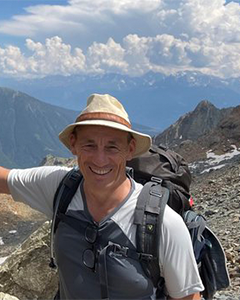
Simon is a blind retired medical psychologist from the University of Amsterdam, winner of the IG Nobel Prize for Medicine in 2010. Most often you will find him in the botanical garden or the tortoise breeding centre.

Jocelyne Farazanamalala

Board Member

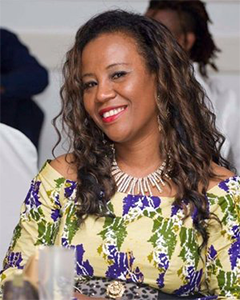
She was born in Toamasina, eastern Madagascar, but lived in the Netherlands for 30 years. Jocelyne is in charge of the Zazamalala nursery, filled with thousands of seedlings of rare plants and timber trees.

Amos Frank

Board Member

Amos was drawn to Zazamalala because it uses a holistic approach to resolve the very serious issues of deforestation, the imminent existential threat to very rare species and improving the lives of local people. All in one fell swoop.

Sahondra Marguerite

Support

I am a independent woman living in Antsaribao, which is adjacent to Zazamalala. I came to work at Zazamalala as a girl and still work as chef household. I do not talk much and certainly not in a western language, but I make you happy with good food! My smile will be around from breakfast till dining. My special job at zazamalala is to take care of the animals in the garden, the tortoises, parrots and … baby crocodiles. That’s enough for me.

Lezafitahiry Velson

Guide

Everybody calls me Tahiry and I am the tourist guide of Zazamalala. I speak also French and tell you all about the animals and plants. I came to Zazamalala as a lemur specialist and never left. Zazamalala is so beautiful and I am looking forward showing you around!

Frank Bracht

Board Member

I am a tax specialist in the Netherlands and was instantly touched by the uniqueness of the Zazamalala project. Not only providing help to an extremely poor and under developed country, but also working on nature restoration. My job is checking the Zazamalala finances, just as I did for so long at Deloitte.

Joe-Mickuel

Support

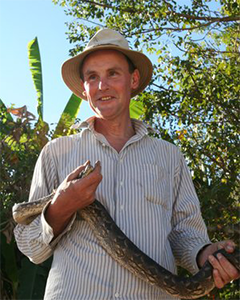
I am the personal assistant of Simon and Jocelyne. I am handy in general and particularly smart with equipment. I help with the determination of animals and plants, cook a European meal, and may have to catch the snake that enters your shower. In short, I help men and beasts with whatever comes my way.

Mr. Jean Yves Razanatson

President of the Zazabe Association

I am a Morondava lawyer and I know Simon and Jocelyne since 2000. I am the president of the local organization and visit Zazamalala each Saturday.

Our partners

Treesforall

Trees for All is a Dutch non-profit foundation aiming for a green and healthy world. They provided the Zazamalala Foundation funding for 200 hectares of reforestation. Moreover, we exchange knowledge and experience for the improvement of reforestation and silvy culture in the tropics.

www.treesforall.nl

Ades

ADES, An NGO from Switzerland, produces energy-efficient cookers in Madagascar and encourages the use of renewable energy. The use of climate-friendly solar cookers and energy-saving stoves saves large quantities of wood and charcoal. The Zazamalala Foundation purchases the cookers and gives them to local women, after they worked for five days in the Zazamalala nursery. ADES is also involved in providing micro credits to villagers and sometimes brings students to the Zazamalala forest.

ades-solaire.org

Onszaden

This Dutch webshop is one of the leading providers of rare plant seeds in Europe. They continuously sponsor the Zazamalala reforestation project and we also receive rare seeds from them.

www.onszaden.nl

Ministry of environment, ecology and forests Madagascar

The local branch of the Ministry of Environment and Forests of Madagascar provides tree seedlings in exchange for black earth. Moreover, we share knowledge and experiences.