What we do
Zazamalala restores lost wilderness in western Madagascar. Zazamalala has a wholistic approach of nature conservation, including protection of animals and plants, expanding the forest, and involvement of the local people.
Apart of reforestation and breeding of endangered animals, community development is a prime issue. This means giving as many local people as possible paid work and thereby making them economically independent. It also implies education about issues such as nature conservation, climate change, health care. Moreover, it emphasizes education on local schools, which means supporting these schools with money and materials as well as repairing the buildings.
Zazamalala pays the salary of a French teacher. Other social projects are distribution of solar cookers to local mothers and thereby making them independent of fuelwood from the forest. And Zazamalala constructs latrines and water pumps. Finally, Zazamalala provides medical aid to the local people, such as surgery in the Morondava hospital.
The wholistic Zazamalala approach conforms to the 2015 Sustainable Development Goals of the United Nations.
Reforestation
Expanding the 3% of Madagascar dry forest that remains
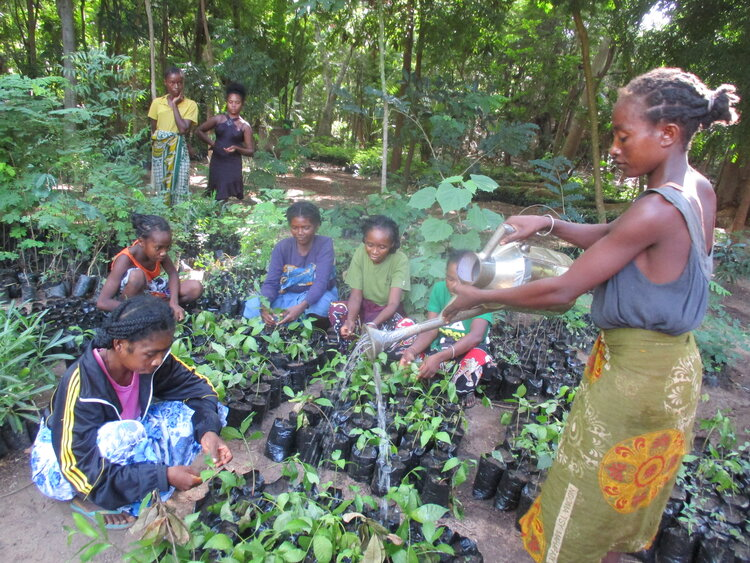
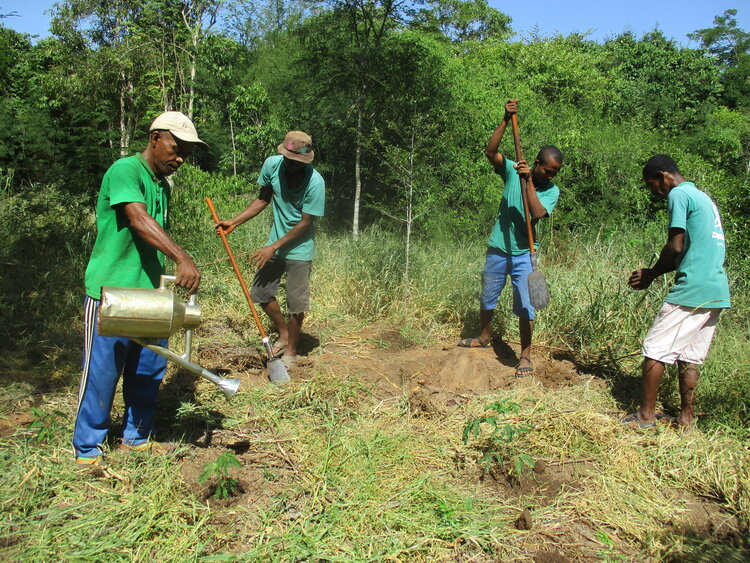
It took us 50 years of study, a thousand pieces of advice, and a lot of trial and error to figure out how best to reforest West Madagascar. The main features of the Zazamalala approach to reforestation are: planting more than 100 different tree species per hectare (2,471 acres). Of these, 80% are slow-growing Malagasy trees endemic to the area, and 20% are fast-growing exotic trees – two species that proved superior to the roughly 20 others we tested. These are Rain tree (Albizia saman) and Elephant-ear tree (Enterolobium cyclocarpum). These exotic trees soon give the appearance of a young forest and provide shade on the ground, which is crucial to prevent grass fires. They are also used by local animals, fix atmospheric nitrogen into the soil and provide a thick healthy layer of humus. While the exotic trees are harvested after 20 years for local consumption, the Malagasy wilderness remains.
In practice, local people dig 1,000 holes per hectare (2,47 acres) and plant seedling trees. They also take care of the maintenance of the forest, e.g. cleaning of fire lanes and weeding around seedlings. Vulnerable tree species are regularly watered and pests are controlled. Dead seedlings are replaced. Maintenance continues for 10 years, at which time the crowns of the trees provide enough shade on the ground to prevent grass from growing, minimizing the risk of grass fire. After this period, maintenance is restricted to a yearly cleanup of fire lanes and taking down of dead branches. The forest is guarded against illegal logging and poaching by guards equipped with binoculars and walkie-talkies.
Biodiversity
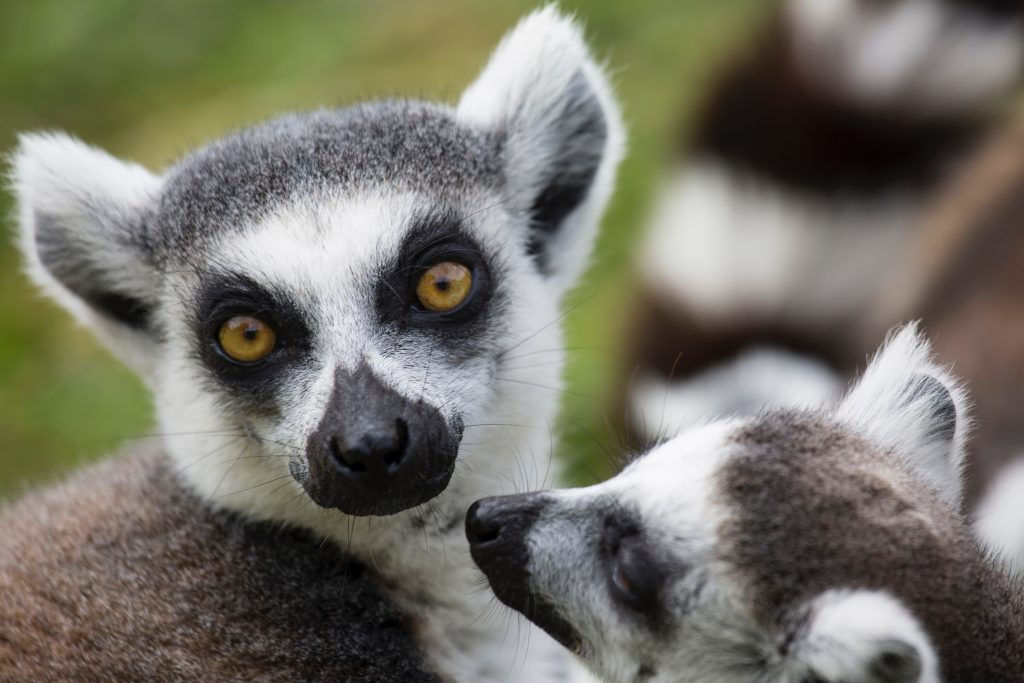
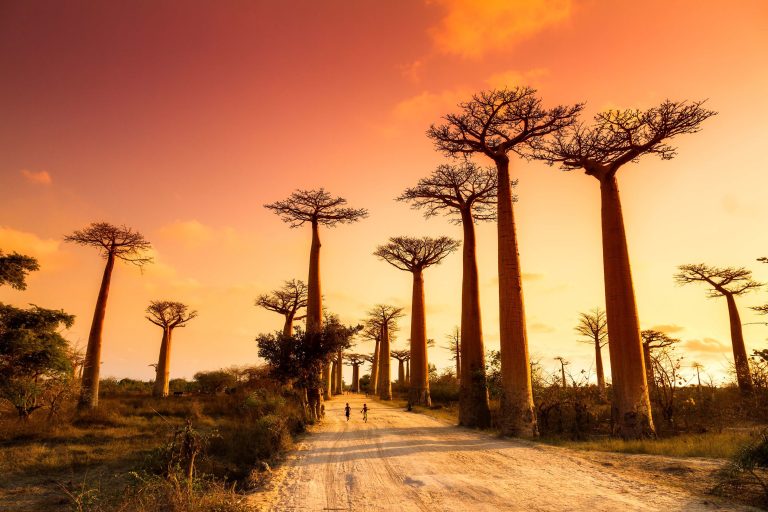
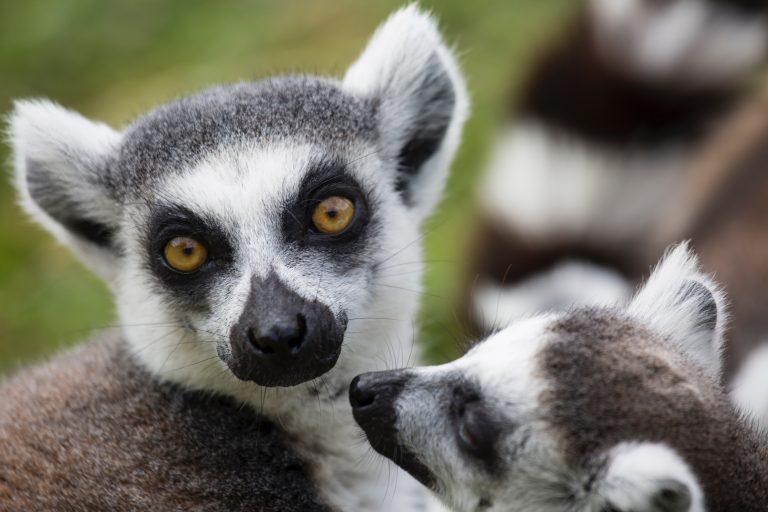
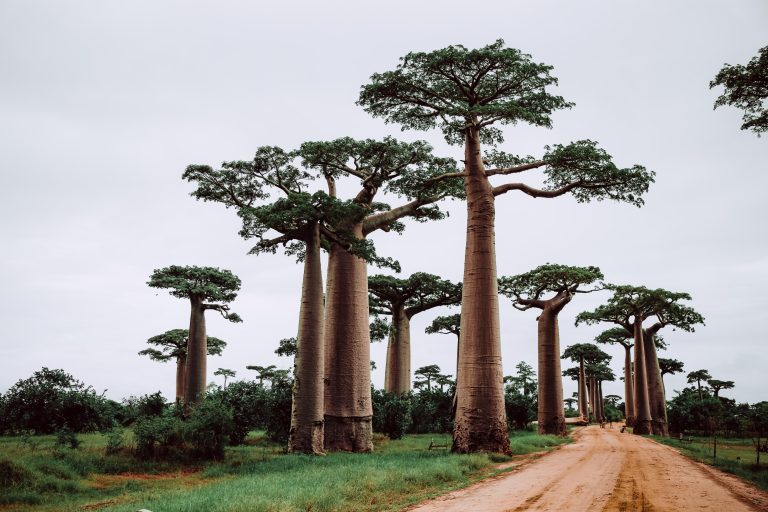
The dry deciduous forest of West Madagascar is the most threatened ecosystem in the world. But Zazamalala has the addition of numerous ponds. This makes Zazamalala a highly restricted and specific piece of nature, encompassing merely 40 km2 (15,4 square miles). Its biodiversity combines flora and fauna from both wetland and dry forest. This makes Zazamalala the hottest hotspot of Red List plants and animals, such as Four species of baobabs and 11 lemur species, e.g., Verreaux sifaka (Propithecus verreauxi), Giant mouse lemur (Mirza coquereli), and Red-tail sportive lemur (Leepilemur ruficaudatus). Common are Flat-tail tortoise (Pyxis planicauda), Radiated tortoise (Astrochelys radiata), Madagascar big-headed turtle (Erymnochelys madagascariensis), Nile crocodile (Crocodylus niloticus), and lots of lizards and frogs.
The Zazamalala tortoise and turtle breeding program
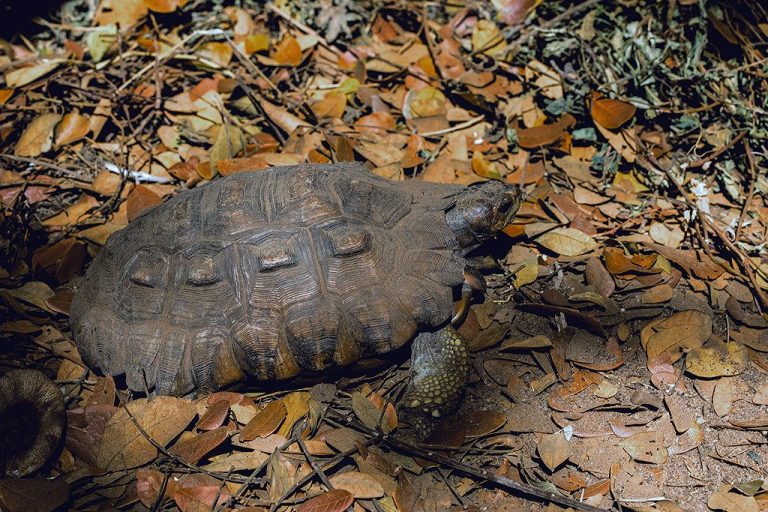
The critically endangered Flat-tail Tortoise (Pyxis planicauda) lives in a small part of the dry deciduous forest of West Madagascar. The last remaining males and females rarely meet, and when they do, the female produces only one to three eggs per year.
In the Zazamalala botanical garden, we keep several males and females together to maximize encounters. We release the young tortoises after two years in the protected Zazamalala Forest.
The Madagascar Big-headed Turtle (Erymnochelys madagascariensis) is another critically endangered species. It lived for millions of years in de rivers and lakes of West Madagascar. Nowadays, it’s one of the most threatened turtles in the world. At Zazamalala we breed them in large semi-natural containers in the botanical garden. We release the young after one year in a Zazamalala pond. The adult turtles are aggressive to other turtles and that’s why we need to construct more containers. Will you help us?
Community involvement
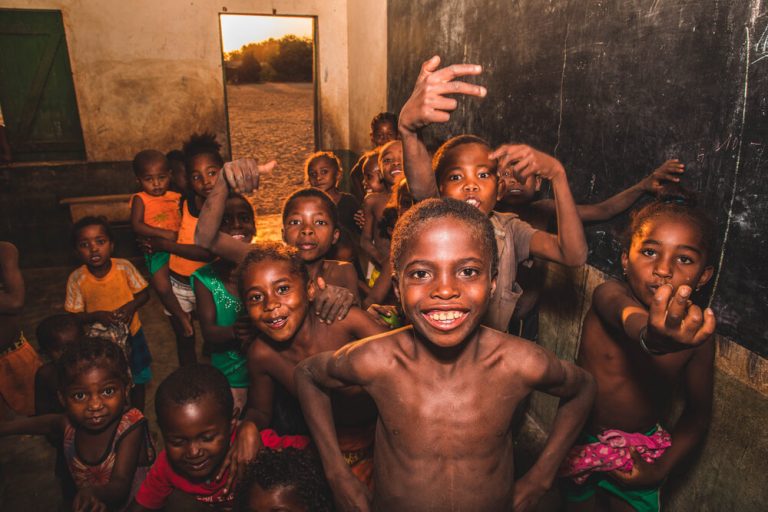
Madagascar is among the poorest countries in the world. Its rural western part is extremely underdeveloped. Most people find no regular work and those who do, often earn only €2,50 (US$2,68) per day. The villages adjacent to Zazamalala have no electricity, no running water and no proper latrines. Most children suffer from malnutrition and receive insufficient education. Many schools are ruins and teachers are often absent, because they have to work elsewhere to survive. Most people are dependent on agriculture, primarily rice, sweet potatoes and cassava (manioc). A prolonged dry season marked by severe drought, alongside a rainy season bringing intense rainfall and flooding, threatens the people and their harvests. Climate change worsens these effects and threatens both humanity and nature. In September 2021, the United Nations declared Madagascar to be the first country in the world where climate change has caused a famine.
There are four villages around the Zazamalala Forest. Formerly, the villagers used the forest as a supermarket for free shopping. After years of frequent clashes between villagers and Zazamalala guards, this changed and nowadays, most villagers are proud of the forest and help with conservation and protection. The local Zazamalala management (Association Zazabe) consists of Malagasy people only. The Zazamalala employees are of Malagasy nationality. An important Zazamalala aim is to hire as many local people as possible and connect them to the forest. The Zazamalala projects to help the local community include:
Aid three local schools.
Pay the salary of a French teacher.
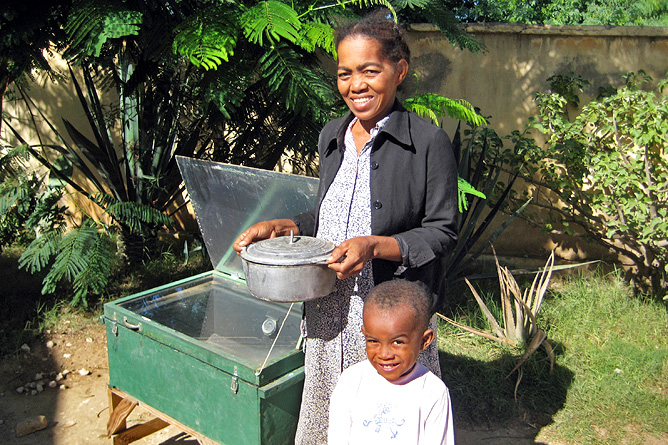
Distribute ADES solar cookers to diminish the use of fuelwood and charcoal.
Improve local infrastructure, roads and bridges.
Construct latrines and water pumps for clean drinking water.
Help with medical problems (transport to hospital, medication, critical care surgery).
Currently, Zazamalala constructs a community building in the village of Tsinjorano.
Solar cookers
There are 28 million Malagasy people depending on fuelwood or charcoal for cooking their meals. Besides the pollution and CO2 emissions, the demand for fuelwood cannot be met by fallen, dead wood, forcing families to cut down the remaining patches of forest for charcoal production.
Zazamalala distributes ADES solar cookers among local mothers. The cookers are constructed in Madagascar by the Swiss NGO ADES-Solaire. The mothers work for five days in the Zazamalala nursery to learn how difficult it is to grow trees and create a new forest. And share this knowledge with their children.
Local schools
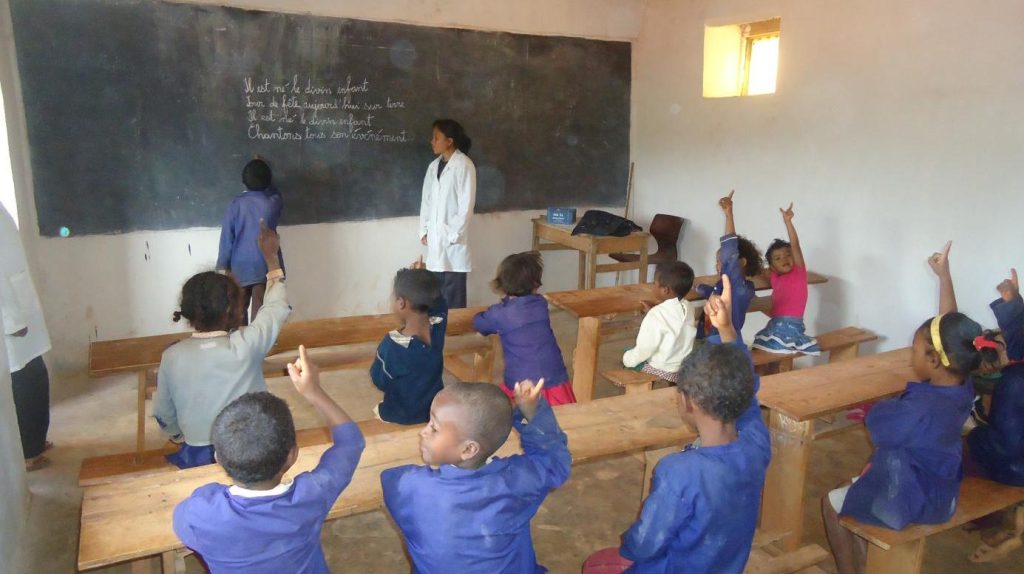
Adjacent to the Zazamalala Forest are three schools serving 1,200 children aged 5 to 15 years. These schools are in ruins and proper roofs, doors, windows and floors are missing. When rain is pouring, some children are sitting in the mud, and most of the year, the youngest children remain outdoors. There are no toilets in the villages, but Zazamalala constructed outdoor latrines, which is insufficient for all the people.
The surroundings of the schools are polluted and it stinks. Many use the outskirts of the Zazamalala Forest as a toilet. The classes are crowded and there are insufficient teachers. Half of them are teaching assistant (vakatera) without a regular salary and have to work at least part-time in the rice paddies or elsewhere to survive. During their absence, the children are sent home. Consequently, the level of education is very poor. Madagascar has officially two languages (Malagasy and French) but in the rural parts, even officials and teachers do not speak French. Zazamalala pays the salary of a French teacher because children who speak a little French have more chance finding a job in the city.